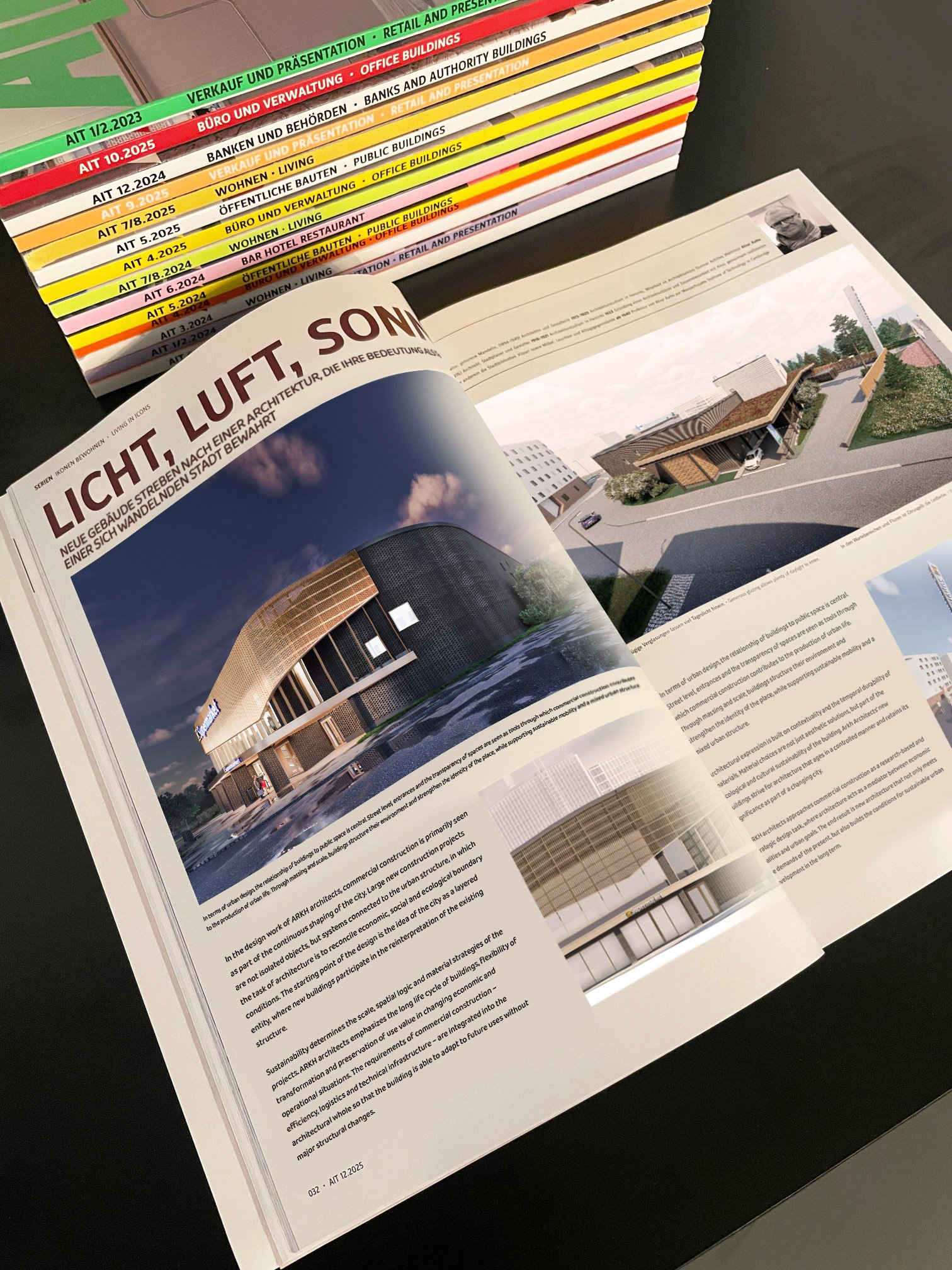
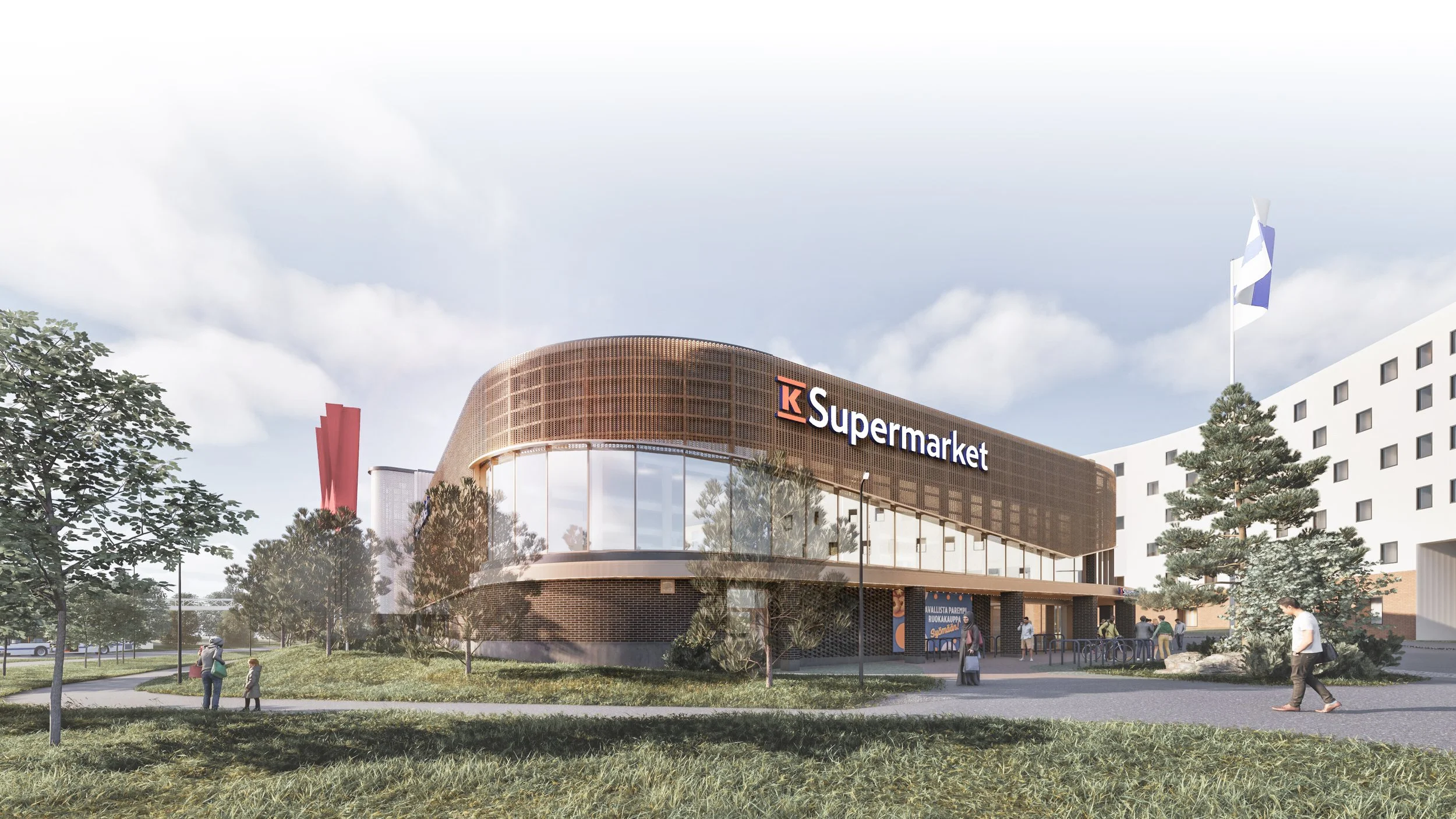
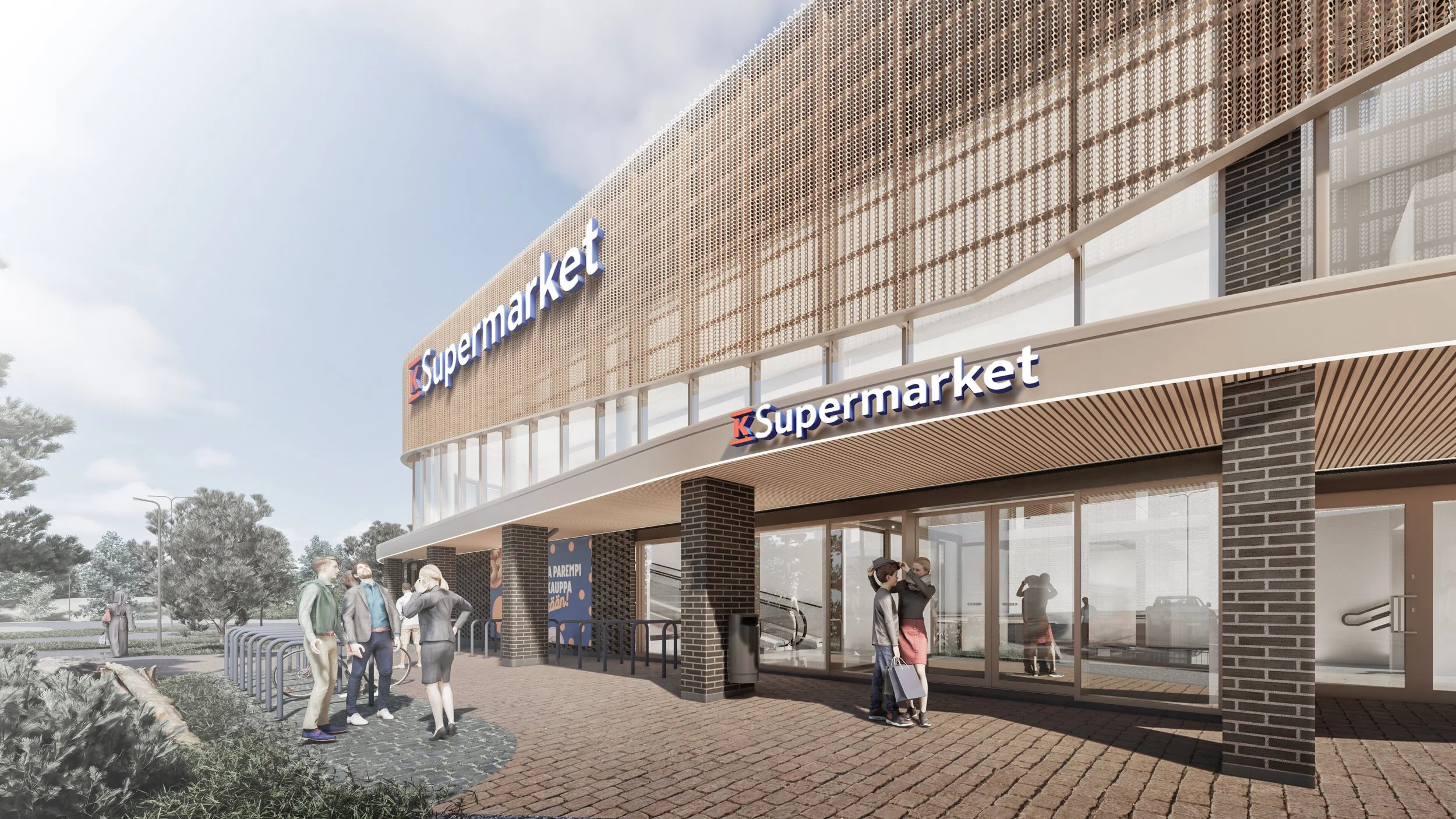
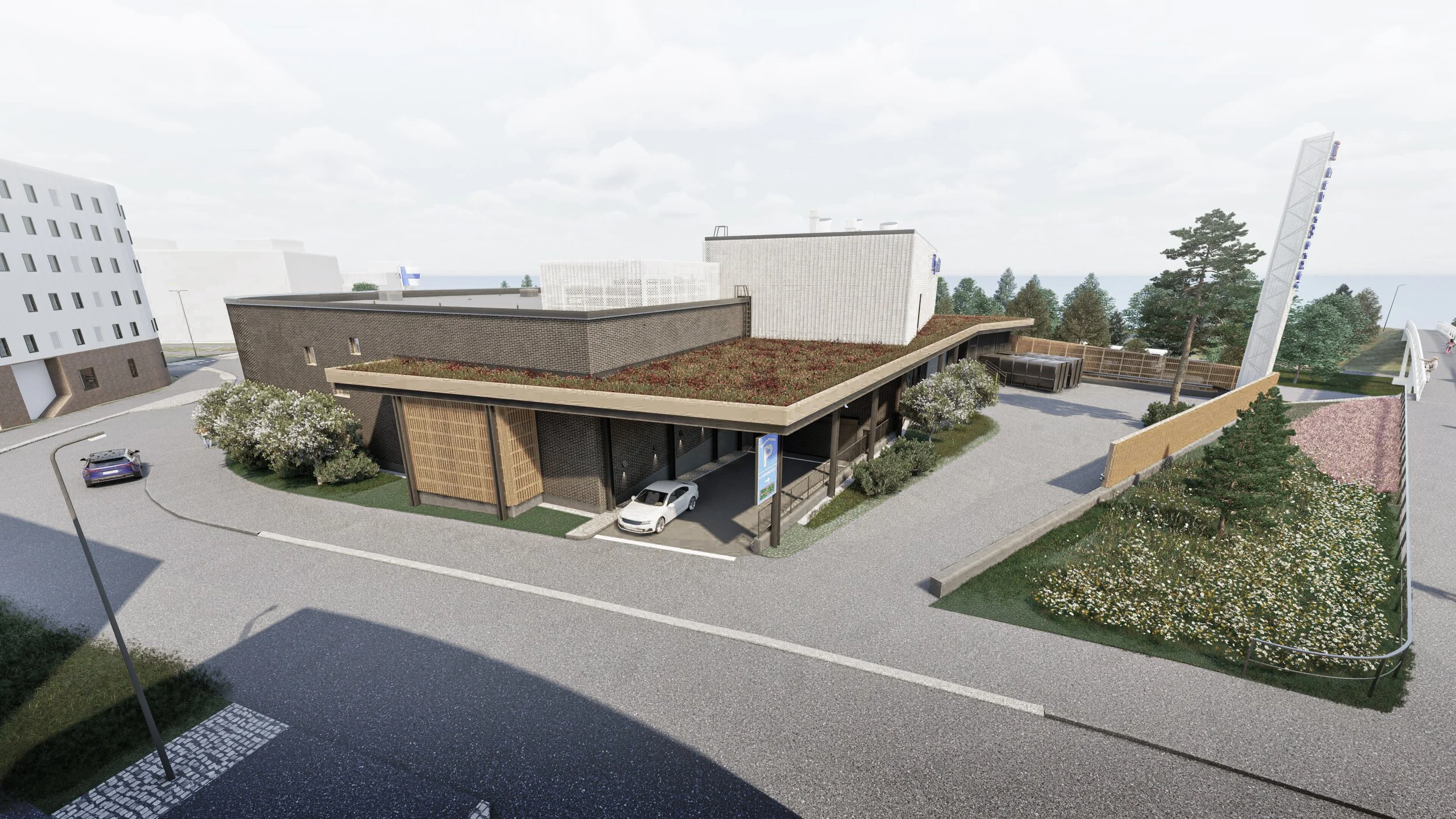
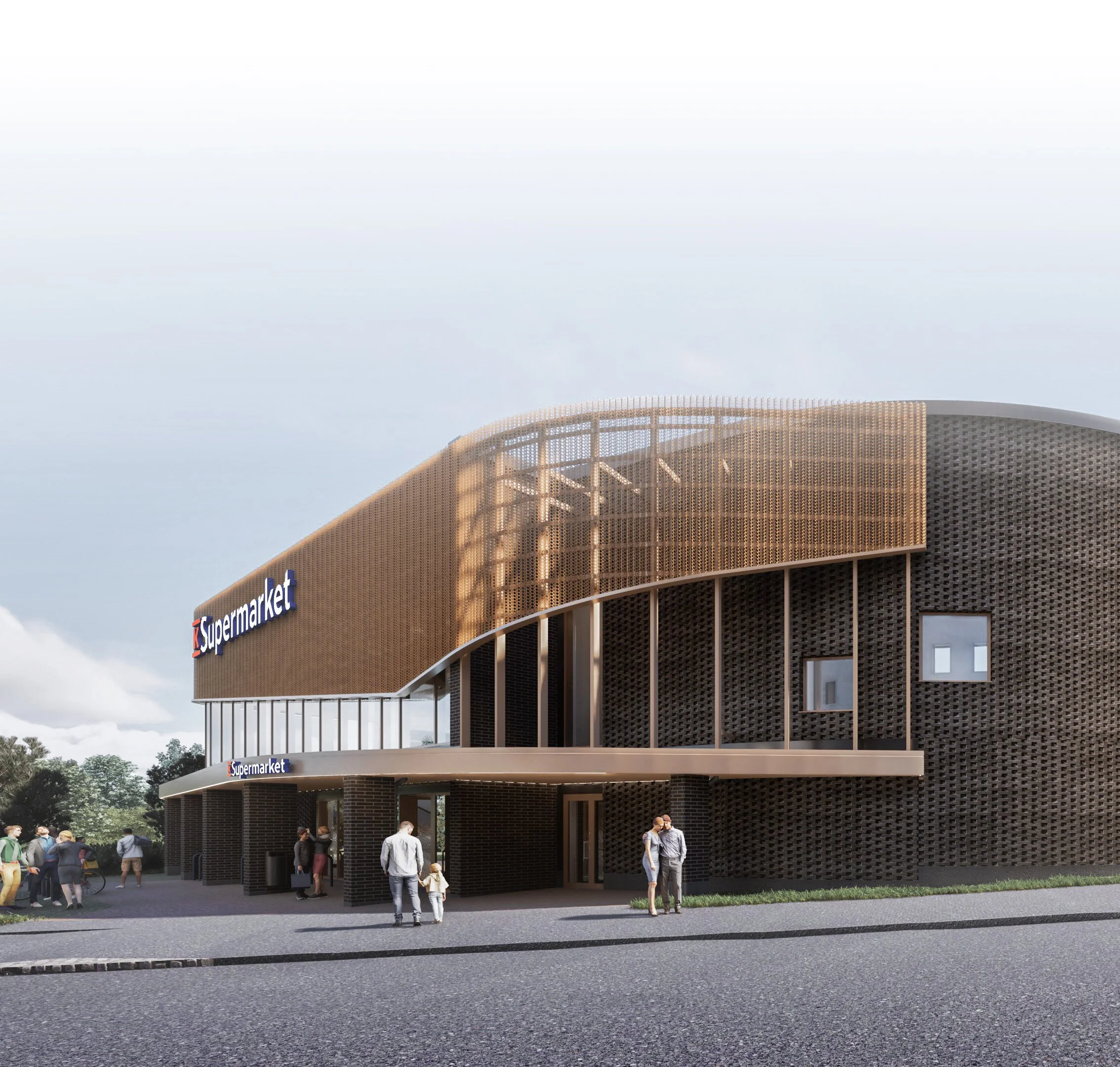
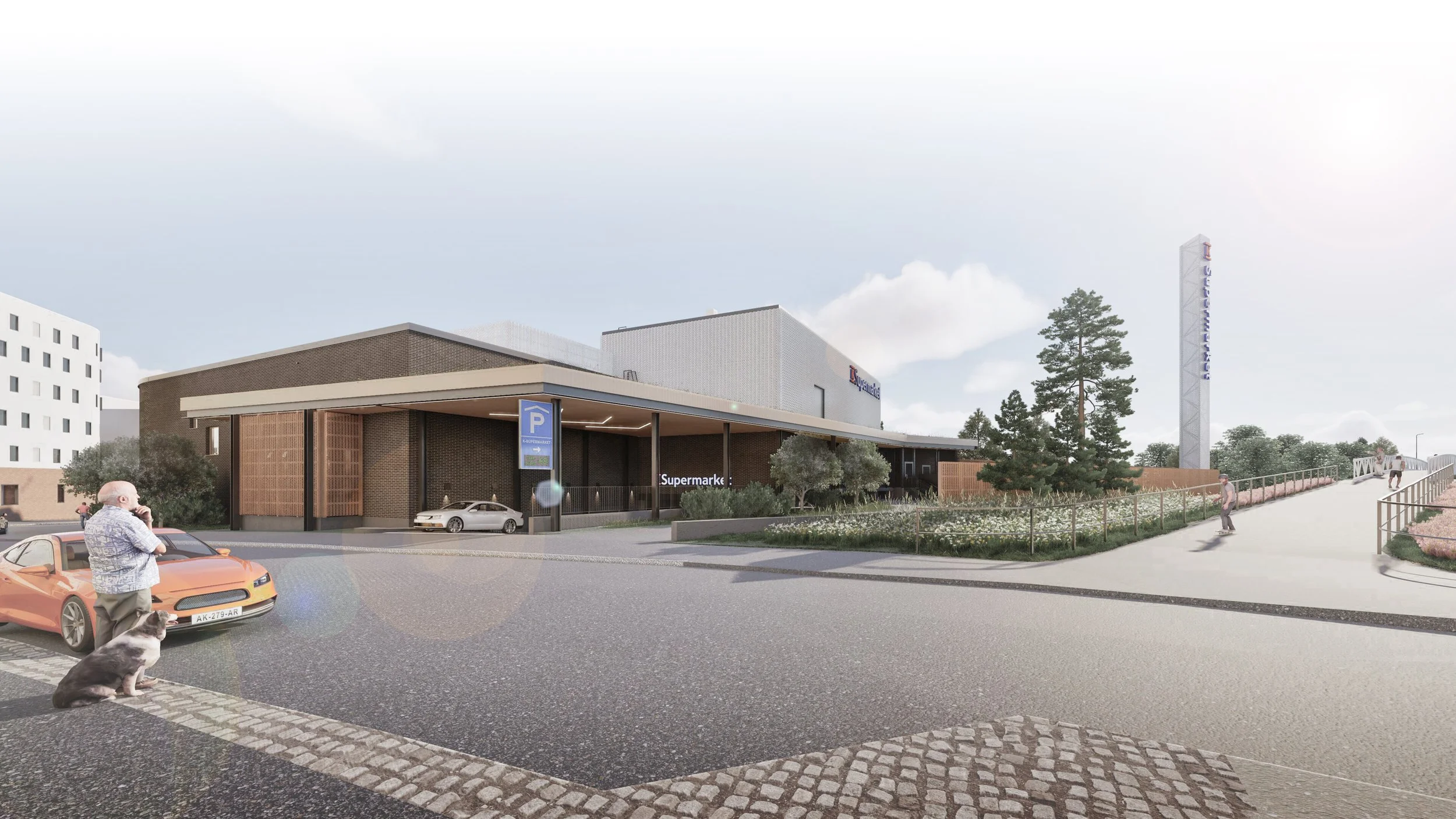
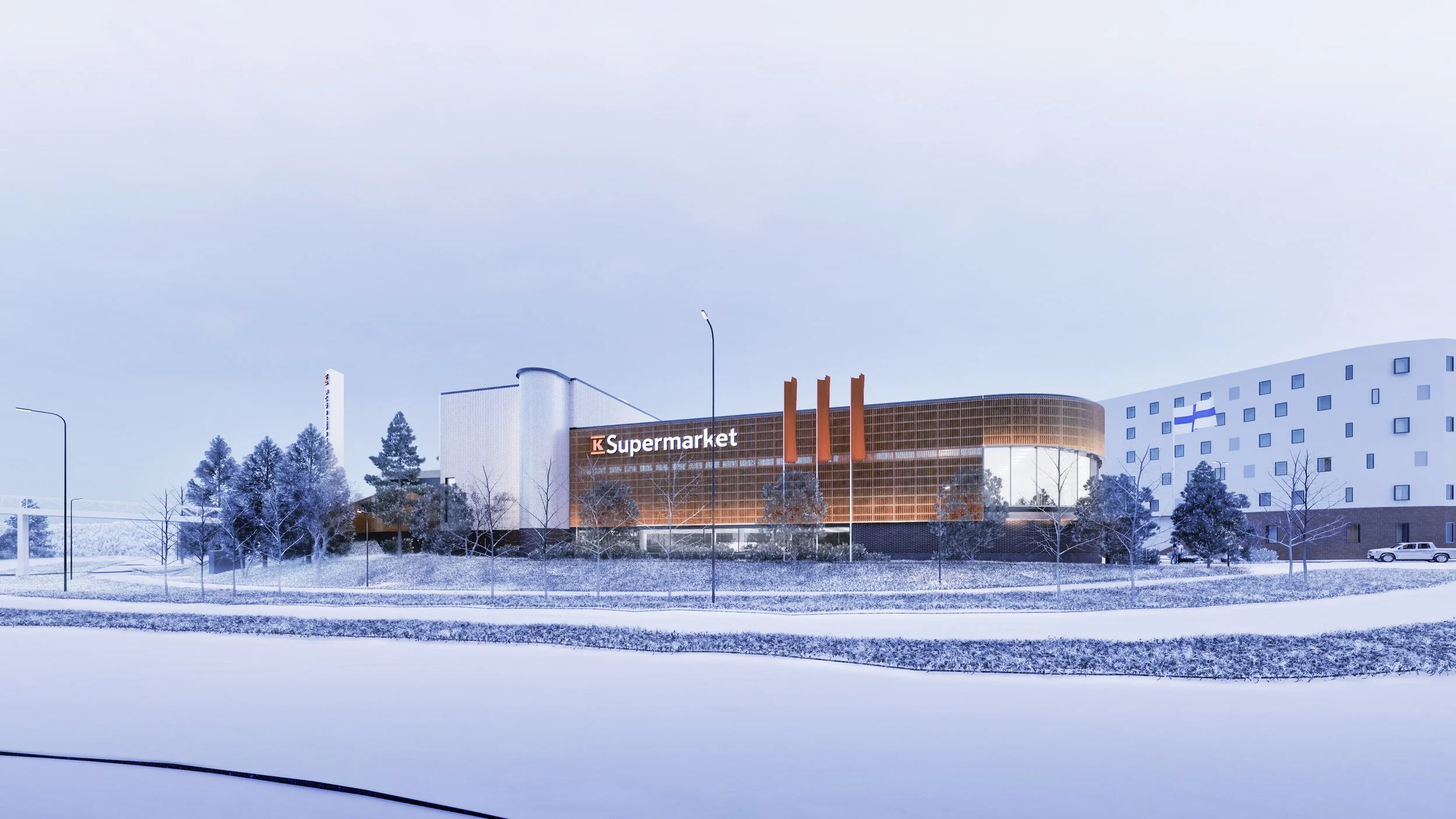
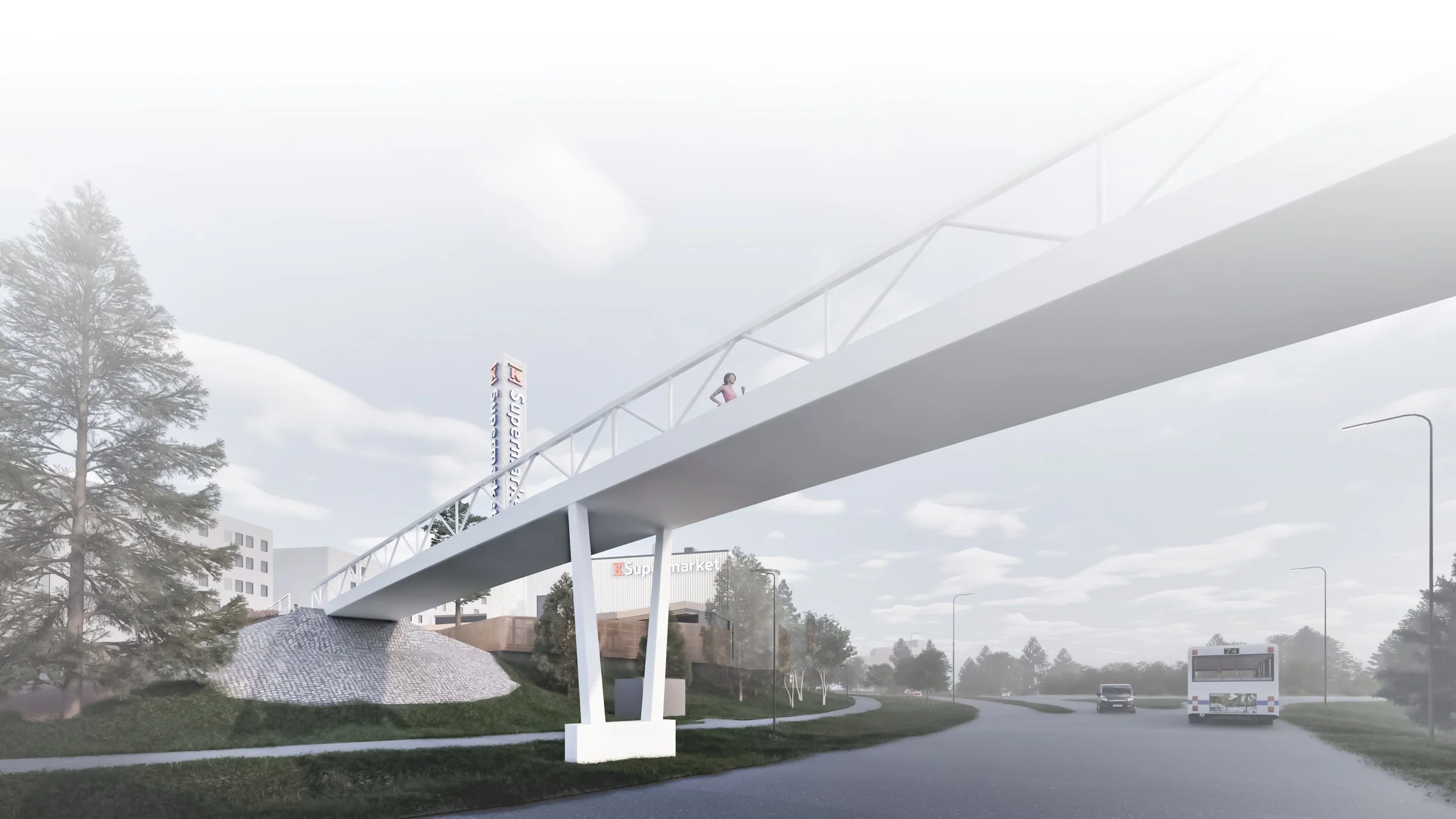
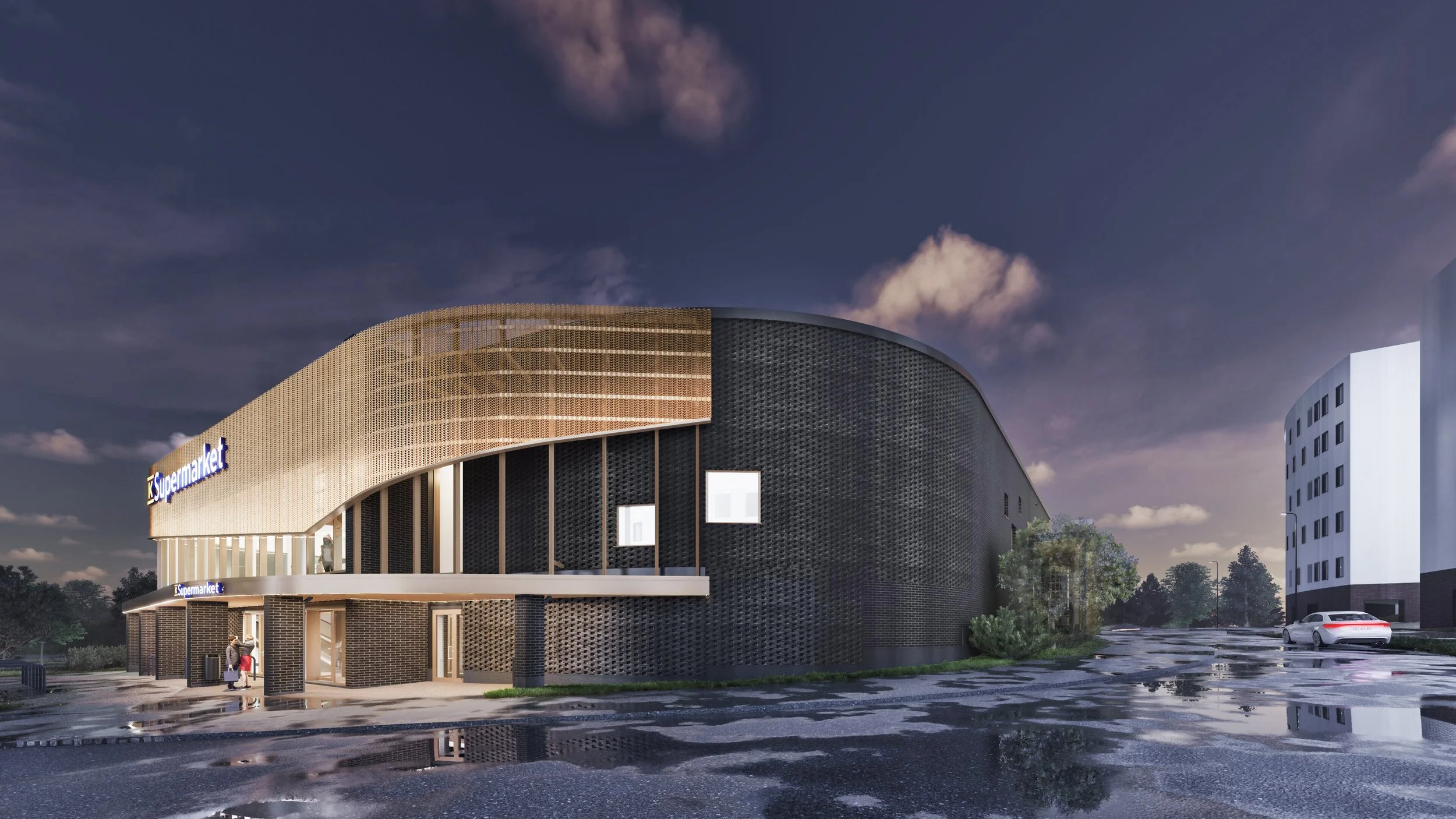
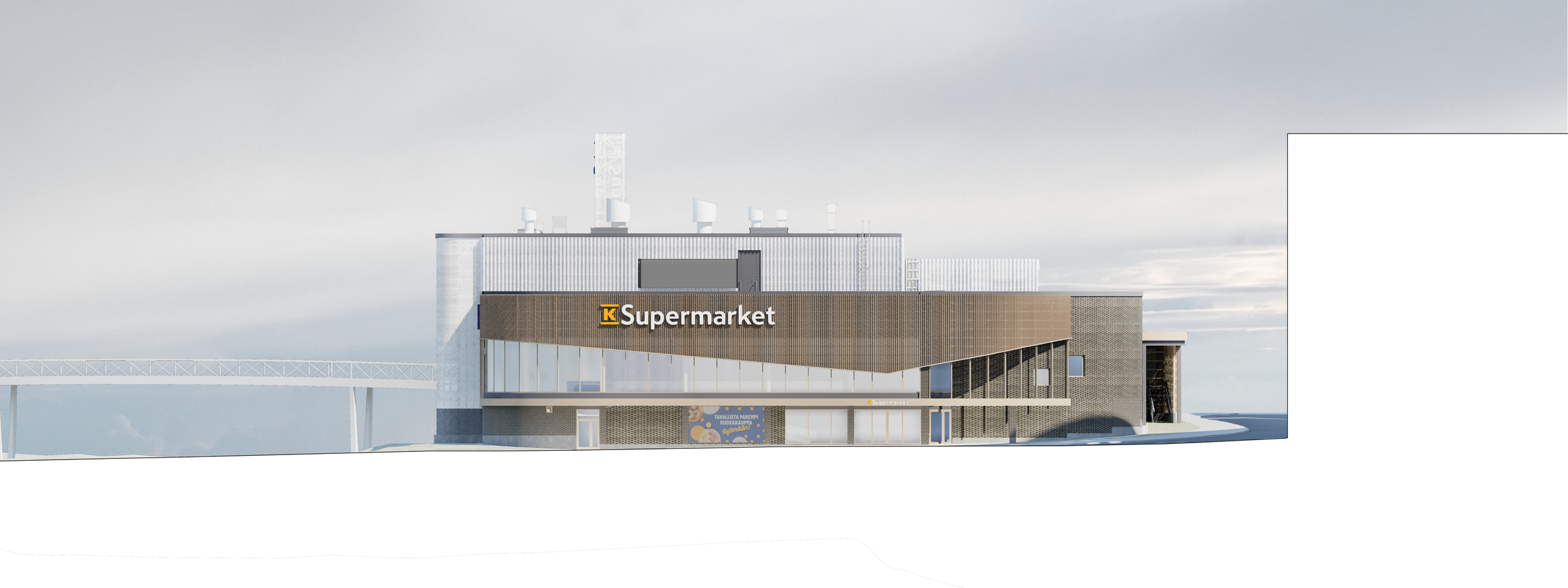
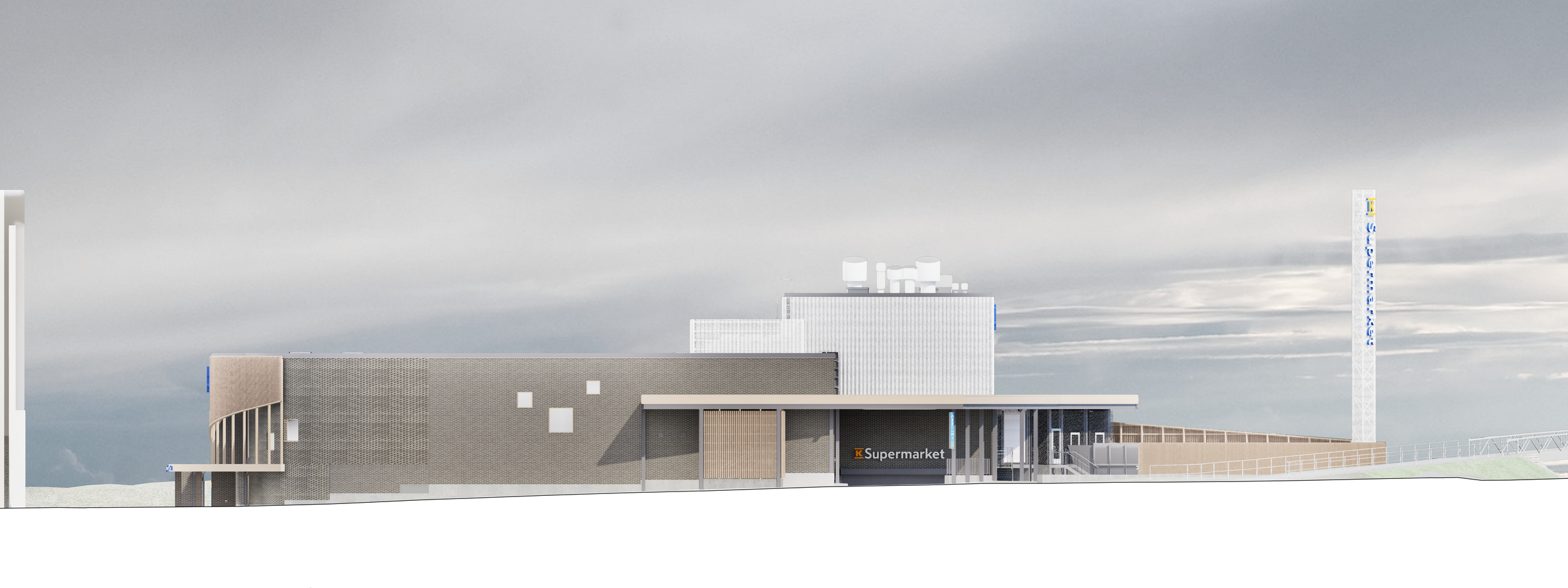
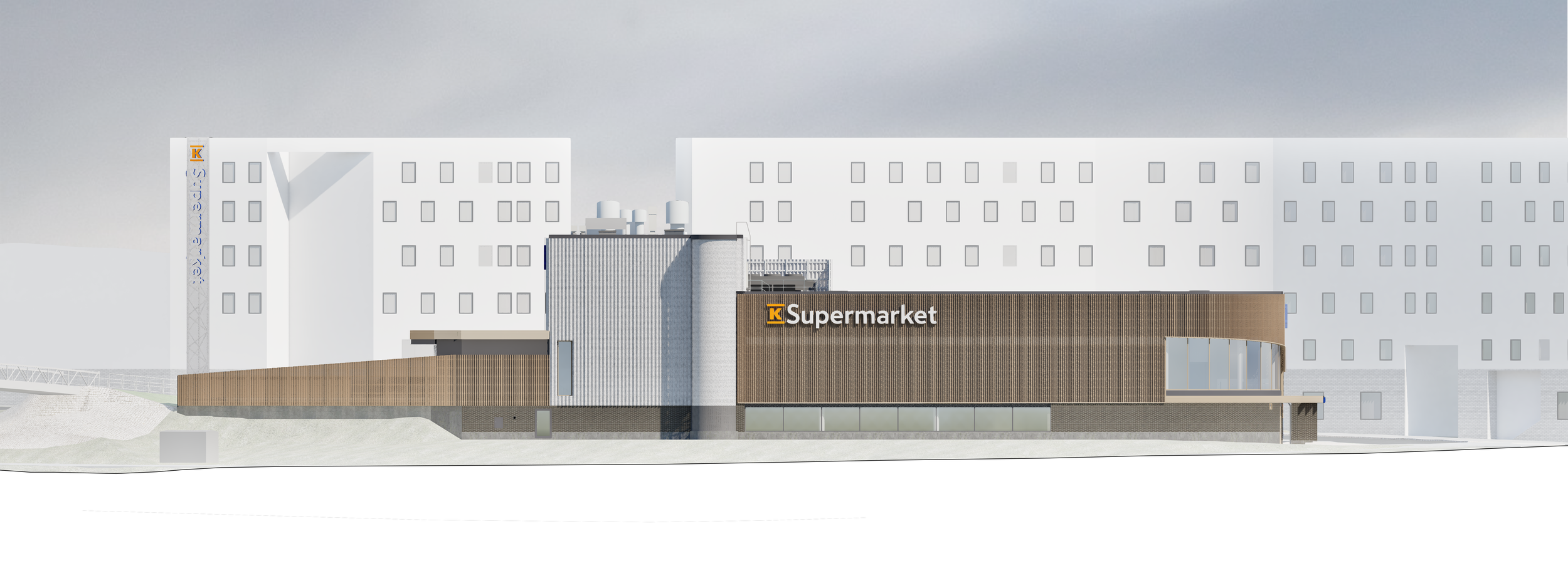
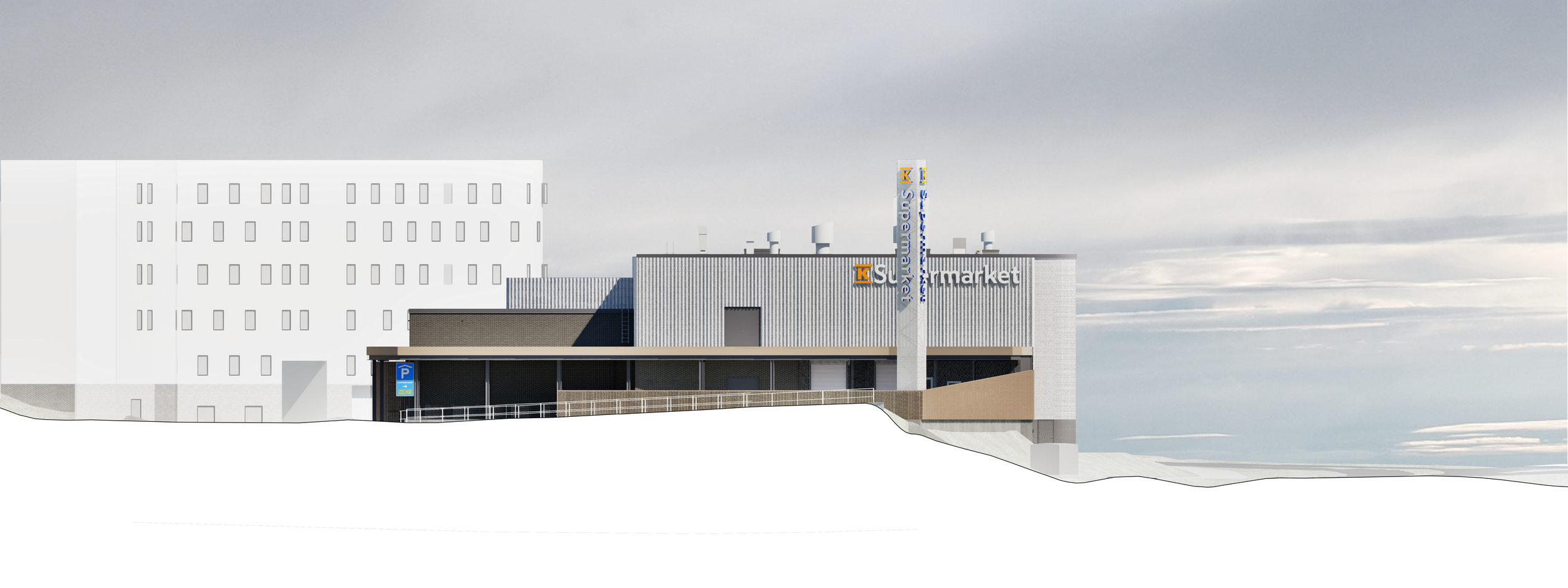
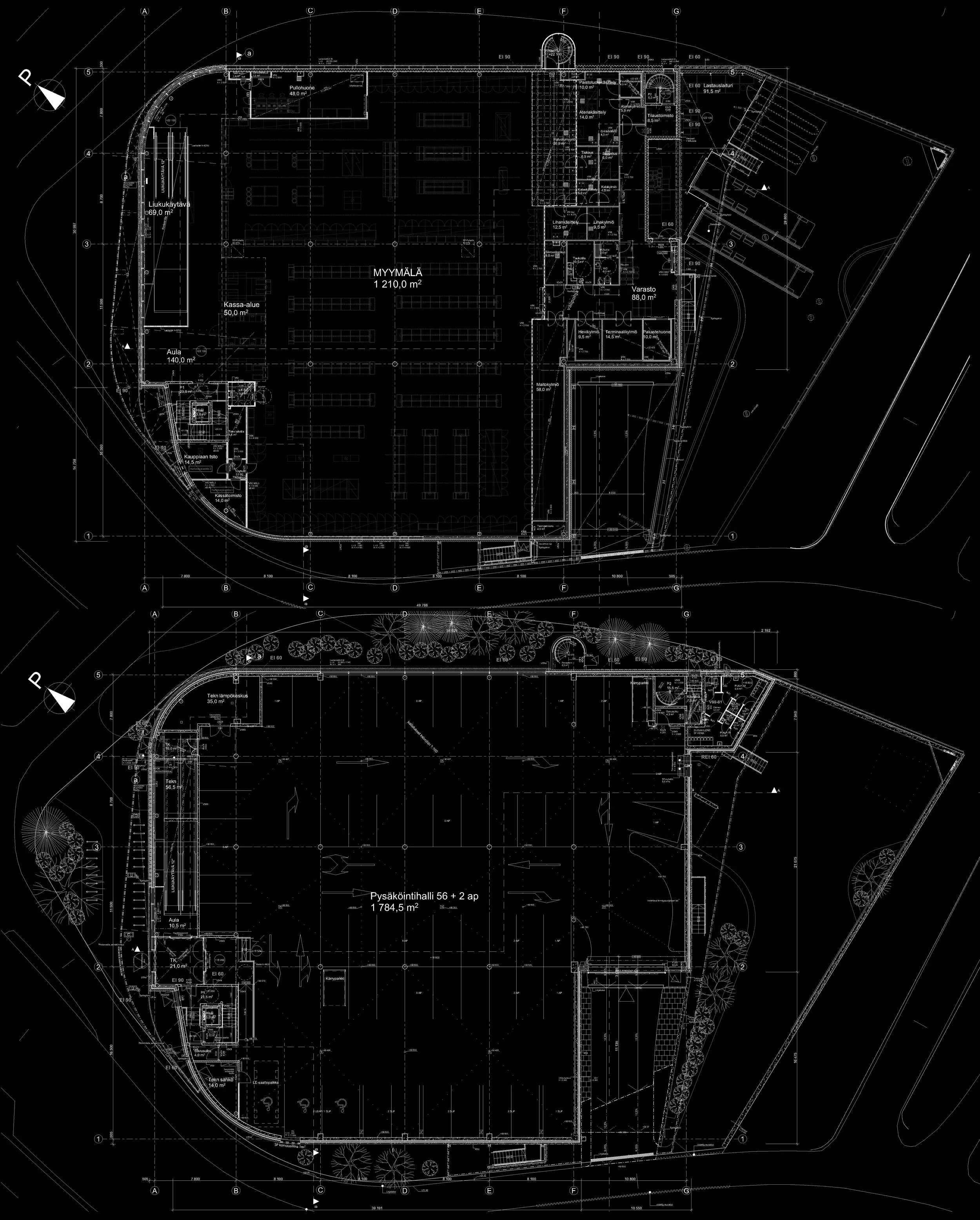
In der Entwurfsarbeit von ARKH Architekten wird Gewerbebau primär als Teil der kontinuierlichen Stadtgestaltung verstanden. Große Neubauprojekte sind keine isolierten Objekte, sondern in die städtebauliche Struktur eingebundene Systeme, in denen die Aufgabe der Architektur darin besteht, ökonomische, soziale und ökologische Rahmenbedingungen in Einklang zu bringen. Ausgangspunkt des Entwurfs ist die Idee der Stadt als vielschichtiges Gebilde, in dem Neubauten zur Neuinterpretation der bestehenden Struktur beitragen.

Nachhaltigkeit bestimmt Maßstab, Raumlogik und Materialstrategien der Projekte. ARKH Architekten legen Wert auf die lange Lebensdauer der Gebäude, ihre Flexibilität bei der Transformation und den Erhalt des Nutzungswerts in sich wandelnden wirtschaftlichen und betrieblichen Gegebenheiten. Die Anforderungen des Gewerbebaus – Effizienz, Logistik und technische Infrastruktur – werden in das architektonische Gesamtkonzept integriert, sodass sich das Gebäude ohne größere bauliche Veränderungen an zukünftige Nutzungen anpassen kann.

Im Bereich der Stadtplanung steht das Verhältnis von Gebäuden zum öffentlichen Raum im Mittelpunkt. Straßenebene, Eingänge und die Transparenz von Räumen werden als Instrumente verstanden, mit denen Gewerbebauten zur Gestaltung des urbanen Lebens beitragen. Durch ihre Massenverteilung und ihren Maßstab strukturieren Gebäude ihre Umgebung und stärken die Identität des Ortes, während sie gleichzeitig nachhaltige Mobilität und eine gemischte Stadtstruktur fördern.

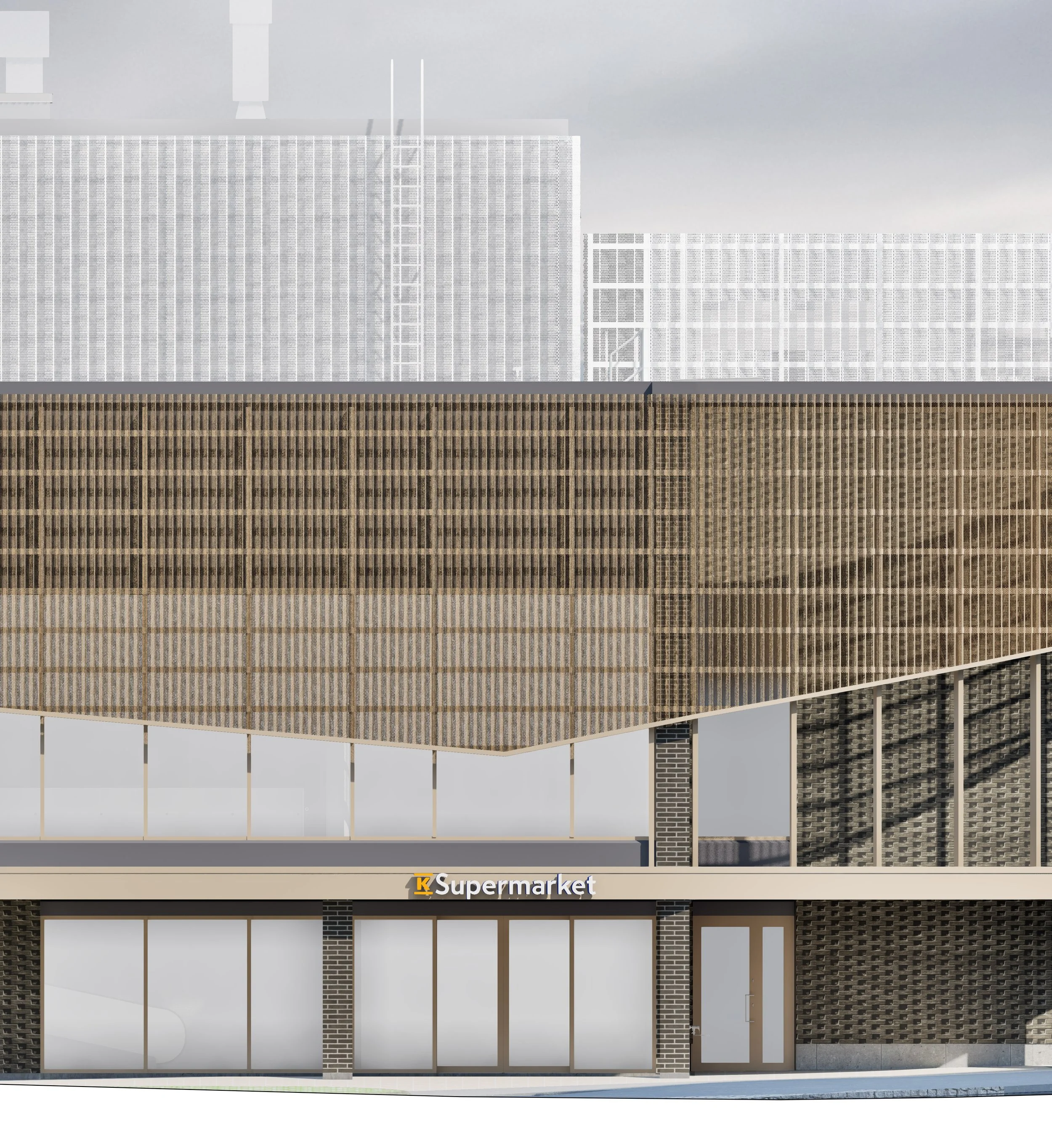
Architektonischer Ausdruck basiert auf Kontextualität und der Beständigkeit der Materialien. Die Materialwahl ist nicht nur eine ästhetische Lösung, sondern Teil der ökologischen und kulturellen Nachhaltigkeit des Gebäudes. Die Neubauten von ARKH Architekten streben nach einer Architektur, die kontrolliert altert und ihre Bedeutung als Teil einer sich wandelnden Stadt bewahrt.

ARKH Architekten betrachten Gewerbebauten als forschungsbasierte und strategische Planungsaufgabe, bei der Architektur als Vermittler zwischen wirtschaftlichen Realitäten und städtebaulichen Zielen fungiert. Das Ergebnis ist eine neue Architektur, die nicht nur den Anforderungen der Gegenwart gerecht wird, sondern auch die Voraussetzungen für eine nachhaltige Stadtentwicklung langfristig schafft.